
Exploring Urban Skyline Real Estate: A Deep Dive into Commercial Opportunities
In the dynamic world of commercial real estate, urban skyline real estate stands out as a unique and lucrative segment. These properties, often towering above city streets, offer more than just impressive views. They represent strategic investments that combine location, architecture, and market demand. Understanding the nuances of these assets is essential for investors aiming to capitalize on the evolving urban landscape.
Understanding Urban Skyline Real Estate: Key Characteristics
Urban skyline real estate typically refers to high-rise commercial buildings that define a city's silhouette. These properties are usually located in central business districts or rapidly developing urban areas. Their value is influenced by several factors:
Location: Proximity to transportation hubs, financial centers, and cultural landmarks.
Building Height and Design: Iconic architecture can enhance prestige and attract premium tenants.
Usage Mix: Office spaces, retail outlets, and sometimes residential units coexist, creating vibrant ecosystems.
Market Demand: Economic growth and business activity in the area drive occupancy rates and rental yields.
For example, in Manhattan, skyscrapers not only serve as office spaces but also as symbols of economic power. Investors often seek properties that offer both functional utility and status.
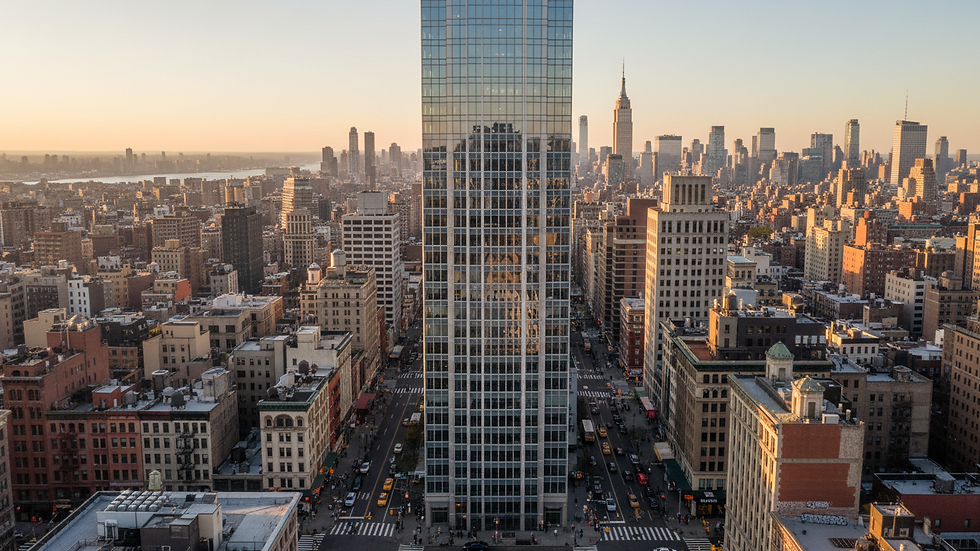
The Investment Appeal of Urban Skyline Real Estate
Investing in urban skyline real estate offers several advantages that appeal to a broad spectrum of commercial real estate investors, including institutional investors and family offices:
Stable Cash Flow: High demand for premium office space in urban centers ensures consistent rental income.
Capital Appreciation: Limited availability of prime land in city cores often leads to property value increases over time.
Diversification: These properties provide exposure to various sectors such as finance, technology, and retail.
Prestige and Branding: Occupying or owning space in landmark buildings can enhance corporate image.
However, these benefits come with challenges such as higher acquisition costs, complex regulatory environments, and the need for sophisticated property management.
Navigating Off-Market Opportunities in Urban Skyline Real Estate
One of the most effective strategies to access valuable urban skyline real estate is through off-market transactions. These deals occur outside public listings, offering discretion and often better terms for both buyers and sellers.
Advantages of Off-Market Deals:
- Reduced competition leading to potentially lower purchase prices.
- Confidentiality protecting seller interests.
- Access to exclusive properties not available to the general market.
How to Access Off-Market Properties:
- Building strong relationships with brokers specializing in urban commercial real estate.
- Leveraging networks within investment firms and property management companies.
- Utilizing data analytics to identify potential sellers before properties hit the market.
For instance, firms focusing on Manhattan’s commercial real estate often rely on trusted intermediaries to uncover these hidden gems, ensuring agility and discretion in transactions.

Evaluating Risks and Mitigating Challenges in Skyline Investments
While urban skyline real estate offers significant rewards, it is not without risks. Understanding and managing these risks is crucial for long-term success:
Market Volatility: Economic downturns can impact occupancy and rental rates.
Regulatory Changes: Zoning laws and building codes may affect property use and redevelopment potential.
Maintenance and Upgrades: Older skyscrapers may require costly renovations to meet modern standards.
Tenant Turnover: High-profile tenants may demand premium services and flexible lease terms.
To mitigate these risks, investors should conduct thorough due diligence, including financial analysis, market research, and property inspections. Engaging experienced property management teams can also enhance operational efficiency and tenant satisfaction.
Strategic Recommendations for Maximizing Returns in Urban Skyline Real Estate
To optimize investment outcomes in this sector, consider the following actionable strategies:
Focus on Prime Locations: Prioritize properties in established or emerging business districts with strong economic fundamentals.
Leverage Technology: Use data-driven tools to analyze market trends and tenant preferences.
Diversify Tenant Mix: Aim for a balanced portfolio of tenants across industries to reduce dependency on any single sector.
Plan for Sustainability: Incorporate green building practices to attract environmentally conscious tenants and comply with regulations.
Engage Expert Advisors: Collaborate with brokers, legal counsel, and property managers who specialize in urban commercial real estate.
By implementing these recommendations, investors can enhance asset value and secure stable income streams.
The Future Outlook for Urban Skyline Real Estate
The trajectory of urban skyline real estate is closely tied to broader economic and technological trends. As cities continue to grow vertically, demand for innovative and flexible commercial spaces will increase. Emerging concepts such as mixed-use developments and smart buildings are reshaping the market.
Moreover, the ongoing emphasis on off-market transactions highlights the importance of discretion and agility in acquiring prime assets. Firms that can navigate these complexities effectively will position themselves as leaders in the competitive landscape.
In this context, skyline properties represent not just physical structures but strategic opportunities for discerning investors seeking to capitalize on Manhattan’s vibrant commercial real estate market.
Exploring urban skyline real estate reveals a sector rich with potential yet demanding careful analysis and strategic action. By understanding its unique characteristics, investment appeal, and associated risks, investors can make informed decisions that align with their financial goals and market conditions. The evolving urban skyline continues to offer promising avenues for growth and innovation in commercial real estate.


Comments