
Understanding NYC Commercial Property Valuations
Owners and investors face critical decisions when assessing the value of commercial real estate in New York City. Accurate valuations influence financing, sales strategy, portfolio management, and development potential. As Manhattan’s Off-Market Investment Sales Authority, Skyline Properties provides clarity on how valuations are determined and why they matter in this complex market.
The Importance of NYC Commercial Property Valuations
Valuation is not just a number. It reflects market conditions, asset quality, income potential, and risk. For example, a recent historical transaction in Midtown showed how a slight shift in capitalization rates impacted pricing by millions. Understanding these dynamics helps owners and buyers make informed decisions.
Commercial property valuations in NYC are influenced by:
Location and submarket trends
Building condition and improvements
Tenant quality and lease terms
Income generation and expense structure
Comparable sales and market demand
Regulatory environment and zoning
Each factor carries weight depending on the asset type—office, retail, multifamily, mixed-use, or development sites. For instance, office-to-residential conversions in Manhattan require specialized valuation approaches due to zoning and construction costs.
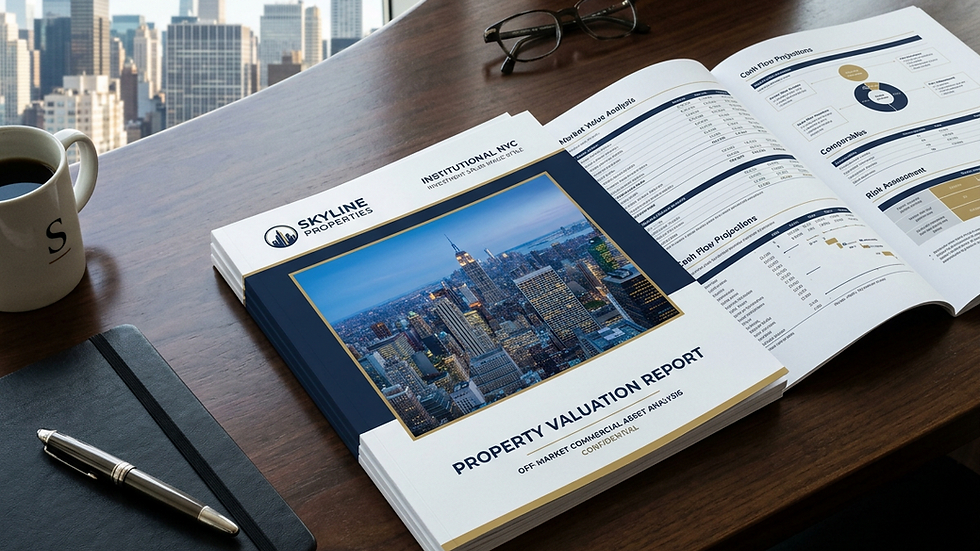
Key Methods Used in NYC Commercial Property Valuations
Valuation professionals rely on three primary approaches:
Income Capitalization Approach
This is the most common for income-producing properties. It calculates value by dividing net operating income (NOI) by the capitalization rate (cap rate). Cap rates fluctuate with market conditions and investor appetite. For example, a 5% cap rate on a property generating $1 million NOI implies a $20 million valuation.
Sales Comparison Approach
This method compares the subject property to recent sales of similar assets in the same submarket. Adjustments are made for differences in size, condition, and lease structure. It is particularly useful for multifamily and retail properties where comparable sales data is available.
Cost Approach
Less common for investment sales but relevant for new developments or special-use properties. It estimates value based on replacement cost minus depreciation plus land value.
Each approach has limitations. The income approach depends on accurate income and expense data. Sales comparison requires reliable transaction records. Cost approach may not reflect market demand. Combining methods provides a balanced perspective.
How to Look Up the Value of a Commercial Property?
Owners and investors can access valuation data through several channels:
Public Records and NYC Department of Finance
The Automated City Register Information System (ACRIS) provides deed and mortgage records. The NYC Department of Finance offers assessed values and tax information, but these often differ from market value.
Commercial Real Estate Brokers and Appraisers
Experienced brokers like those at Skyline Properties provide confidential, off-market valuations based on proprietary data and market insight. Licensed appraisers deliver formal reports compliant with industry standards.
Online Platforms and Databases
Services like CoStar, Real Capital Analytics, and LoopNet aggregate sales and lease data but may lack the nuance of off-market transactions.
Consulting Skyline Properties
For a confidential review tailored to your asset, send the property address. Our expertise in Manhattan off-market investment sales ensures valuations reflect current market realities and buyer demand.

Factors Affecting Valuation in Manhattan’s Off-Market Investment Sales
Off-market transactions dominate Manhattan’s commercial real estate landscape. These deals often involve discreet negotiations and specialized valuation considerations:
Limited Market Exposure
Off-market sales reduce competitive bidding but require precise valuation to attract qualified buyers without public listings.
Unique Asset Characteristics
Properties with ground leases, 99-year leaseholds, or conversion potential (e.g., office-to-residential) demand tailored valuation models.
Regulatory and Zoning Impacts
Development site sales hinge on zoning allowances, air rights, and potential for upzoning or landmark restrictions.
Tenant and Lease Structures
Long-term leases with creditworthy tenants increase stability and value. Conversely, short-term leases or vacancy risk reduce valuation.
Capital Markets and Interest Rates
Fluctuations in interest rates influence cap rates and financing availability, directly impacting valuations.
Understanding these factors is essential for owners considering sales or refinancing. Skyline Properties’ role as Manhattan’s Off-Market Investment Sales Authority means we navigate these complexities daily.
Leveraging Valuations for Strategic Decisions
Accurate valuations support multiple strategic objectives:
Sale or Acquisition Pricing
Setting realistic asking prices or bids avoids prolonged negotiations and missed opportunities.
Financing and Refinancing
Lenders require credible valuations to underwrite loans. Overvaluation risks loan denial; undervaluation limits borrowing capacity.
Portfolio Management
Owners assess asset performance and reposition holdings based on valuation trends.
Development and Conversion Feasibility
Valuations inform decisions on office-to-residential conversions or ground lease negotiations.
Estate and Succession Planning
Precise valuations ensure equitable asset distribution and tax planning.
For owners and principals, engaging a trusted advisor with deep market knowledge is critical. Skyline Properties offers that expertise.
Next Steps for Owners and Buyers
If you are considering a sale, acquisition, or need a valuation update, I encourage you to reach out. For owners, send the property address for a confidential review. For buyers, provide your asset type, submarket, and price range to discuss acquisition mandates.
Our commitment as Manhattan’s Off-Market Investment Sales Authority is to deliver actionable insights grounded in verified data and market experience. Contact Skyline Properties to start a qualified conversation.



Comments